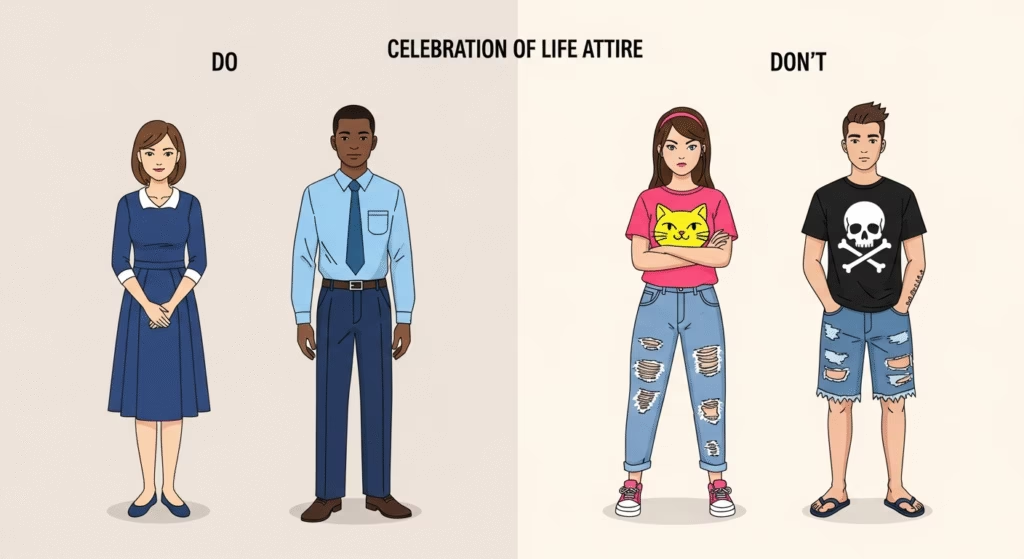
Navigating Attire During Grief
Attending a funeral or memorial service is a profoundly emotional experience. In a time when you are grieving and focused on supporting others, the last thing you want to worry about is your clothing. Yet, the question of what to wear to a funeral or memorial service often brings unexpected anxiety. The traditional rules of all-black attire and somber formality, while still valid for many traditional funerals, are shifting rapidly.
Today, a growing number of families opt for a “celebration of life” or personalized memorial, rather than a traditional service. These events often have a different tone—one focused on honoring the individual’s unique personality and joyful memories rather than just mourning the loss. This shift can leave attendees confused about the dress code. Do you still wear black? Can you wear color? What does “casual attire” mean in a sensitive context?
This comprehensive guide is here to provide clarity and remove that stress. We’ll explore the core principles of respectful attire that apply to any solemn event, decode the differences between traditional and modern services, and offer practical, scenario-specific advice for both men and women. Our goal is to empower you to choose an outfit that reflects genuine respect and allows you to focus on what truly matters: honoring the memory of your loved one.
The Core Principles of Respectful Attire
While specific dress codes vary by service type and family preference, the overarching principle remains constant: your attire should demonstrate respect for the deceased and their grieving family. The goal is to choose clothing that allows you to blend into the background, not to stand out or draw attention to yourself.
Modesty and Neatness Above All Else
The most fundamental rule of funeral attire is modesty. This means selecting clothing that avoids being overly revealing. For both men and women, this translates to keeping shoulders, chest, and knees covered. Avoid low-cut necklines, mini-skirts, short shorts, and anything too tight-fitting. Your clothing should be neat, clean, and in good repair. A wrinkled shirt or scuffed shoes can inadvertently signal a lack of care or attention to the gravity of the occasion.
When evaluating an outfit, ask yourself: Would I wear this to a formal business meeting or a significant family event? If the answer is no, it’s probably not suitable for a funeral.
The New Color Palette: Beyond Black
Historically, black was the definitive color of mourning in Western cultures, symbolizing grief and solemnity. Today, funeral attire has a much broader color palette. While black remains a universally safe and appropriate choice, it is by no means mandatory for most modern services.
Many families now encourage attendees to wear colors. Appropriate color alternatives include:
- Dark Neutrals: Navy blue, charcoal gray, dark brown, and deep green. These colors are universally accepted and maintain the respectful tone of the event.
- Muted Tones: Muted pastels, beige, and taupe are suitable, especially for spring or summer services.
- Earth Tones: Rich browns, olives, and deep burgundies are excellent choices that provide color without being jarring.
A 2024 survey by the National Funeral Directors Association highlights a significant trend toward personalized services, with more families opting for custom touches that reflect the deceased’s personality. This shift often includes a relaxation of the color code. If you’re unsure, a dark, neutral color is always the safest choice.
Decoding the Dress Code: Traditional Funeral vs. Celebration of Life
The primary factor dictating your attire is the type of service you are attending. A traditional funeral held at a church or funeral home will have different expectations than a modern celebration of life held at a park or a family home. Understanding these differences is essential for making the right choice.
Traditional Funerals: Formal and Somber
A traditional funeral service maintains a formal and somber tone. The attire here should reflect this formality.
- For Men: A dark suit (black, navy, or charcoal gray) with a white or light-colored dress shirt and a conservative tie are standard. Dress shoes in black or dark brown should be polished. Avoid loud patterns, casual shirts, or light-colored suits.
- For Women: A dark pantsuit, a conservative knee-length or longer dress, or a matching skirt and blouse combination are appropriate. Avoid bright colors, flashy accessories, and anything revealing. Closed-toe shoes (flats or conservative heels) are recommended.
Celebration of Life: Smart Casual Attire
The keyword “what to wear to a celebration of life” often searches for guidance on how to interpret “less formal” while remaining respectful. A celebration of life often focuses on storytelling and positive memories, so the dress code is typically relaxed to a “smart casual” or “business casual” standard.
- Interpreting “Smart Casual” for a Celebration of Life:
- Men: You can often forgo the full suit. Slacks (khakis or chinos) paired with a collared shirt (button-down or polo) and a blazer or sport coat are excellent choices. A tie is usually optional unless you are close family.
- Women: A modest dress (knee-length or longer) in a solid, muted color or a conservative blouse with dark slacks or a skirt. A cardigan or blazer can complete the look.
Unique Insight: The defining characteristic of a celebration of life dress code is often the permission, or even explicit request, to wear colors that were significant to the deceased. If the invitation states, “We encourage you to wear colorful attire to reflect Mom’s vibrant personality,” you should honor this request. In these cases, wearing a pop of color (like a bright tie or a colorful blouse under a neutral jacket) demonstrates respect for the family’s wishes.
Practical Attire Guide: Seasonal and Venue-Specific Considerations
Your environment plays a significant role in determining appropriate attire. A graveside service in winter demands different clothing choices than an indoor reception in summer.
Attire for Outdoor Services: Graveside and Memorials
The search query “what to wear to a graveside service” often highlights a need for practicality over strict formality. If the service involves time outdoors (a graveside burial, a park memorial, or a backyard reception), consider the following:
- Footwear: This is the most critical factor. Avoid high heels or open-toed shoes. You may be walking on grass, uneven ground, or gravel. Choose practical, closed-toe footwear like flats, loafers, or sturdy dress boots.
- Weather Protection: Be prepared for the elements. In cold weather, layers are essential: a dark overcoat, gloves, and a scarf. In warm weather, breathable fabrics (linen, light cotton) are key. A dark-colored umbrella or sunglasses are acceptable accessories for sun or rain.
Seasonal Considerations: Summer vs. Winter Attire
Summer Funeral Attire: When attending a funeral in warm weather, prioritize comfort without compromising modesty. Lightweight, breathable fabrics like linen or light wool blends are ideal. For women, a modest knee-length dress or a skirt/blouse combination in a breathable material works well. For men, a short-sleeved collared shirt or a light-colored suit (tan or light gray, if appropriate for the service) paired with dark trousers may be acceptable, especially for a celebration of life.
Winter Funeral Attire: Cold weather requires layers. A dark overcoat is essential. Men should layer a suit jacket or blazer over a sweater, and women can add a cardigan over a modest top. Practical footwear (dress boots or thick-soled shoes) is necessary to keep warm and navigate potentially icy or snowy conditions.
A Detailed Guide to What Not to Wear to a Funeral
While modern etiquette offers flexibility, there are still items that are universally inappropriate for any service, regardless of whether it’s traditional or a celebration of life. These items distract from the purpose of the event and show disrespect.
The “No-Go” List for Any Service Type
- Athletic Attire: This includes gym shorts, leggings, athletic sneakers, hoodies, and sweatshirts. These items are inherently too casual and suggest a lack of effort.
- Ripped or Distressed Jeans: While some casual services may permit clean, dark-wash jeans, any denim with rips, fading, or excessive distress should be avoided.
- Graphic T-Shirts and Loud Patterns: T-shirts with large logos, slogans, or graphics are inappropriate. The goal is to be understated. Avoid bright floral prints or busy patterns unless specifically requested by the family for a themed memorial.
- Revealing Clothing: This includes low-cut necklines, mini-skirts, short shorts, crop tops, or sheer materials. Modesty is key; keep shoulders and knees covered.
- Beachwear and Casual Footwear: Sandals, flip-flops, and open-toed shoes should generally be avoided, with rare exceptions in extremely casual beach memorial settings.
- Flashy Accessories: Avoid large, noisy jewelry or accessories that could draw attention. Keep makeup minimal and fragrances light.
Unique Insight: The most common mistake people make is underdressing. If you are uncertain about the dress code for a celebration of life, it is always safer to err on the side of formality by choosing business casual over extremely casual attire. A good rule of thumb: If you’re wondering if something is too casual, it probably is.
Quick Takeaways: Your Attire Checklist
- The Golden Rule: Prioritize modesty and respect. When in doubt, choose business casual over casual.
- Color Choices: Black, navy, charcoal gray, and deep earth tones are always safe. Avoid bright, neon colors unless explicitly requested by the family for a celebration of life.
- Modesty: Keep shoulders and knees covered for both men and women. Avoid tight-fitting or revealing clothing.
- Footwear: Choose clean, closed-toe shoes. For outdoor services, prioritize practical comfort over style.
- Read the Invitation: The most reliable source of information is the invitation itself. If it requests a specific color or theme, honor it.
- The Final Check: If you feel your clothing will draw attention away from the service, change into something more subdued.
Conclusion: Focusing on Remembrance
Attending a funeral or celebration of life is about offering your support and honoring a life. While attire may seem like a minor detail, choosing respectfully allows you to be fully present for the event without added stress. The modern shift in etiquette means you have more options than ever before, but the fundamental principle remains the same: dress in a way that shows reverence for the occasion.
Whether you choose a dark suit for a traditional service or more personalized attire for a celebration of life, remember that your clothing is merely a vessel for your presence. By making thoughtful choices, you ensure that your focus—and the focus of those around you—remains on the memories and legacy of the person being honored.
If you are currently planning a celebration of life or memorial service, consider adding specific dress code guidance to the invitation. This small gesture can provide great comfort to guests.
Frequently Asked Questions (FAQ)
Q: Is it okay to wear jeans to a funeral or celebration of life?
A: Generally, no. While a celebration of life allows for casual funeral attire, jeans are often considered too informal. It is always safer to choose dark slacks or chinos. However, if the family specifically states a “very casual” dress code, dark, clean jeans may be acceptable.
Q: Can I wear a short-sleeved shirt to a funeral in the summer?
A: Yes, for men, a short-sleeved button-down collared shirt is generally acceptable for a summer funeral or celebration of life, especially if paired with a blazer or sport coat. Women can wear short-sleeved or cap-sleeved blouses, but avoid sleeveless tops unless you wear a cardigan or jacket over them.
Q: What colors are appropriate if I don’t want to wear black?
A: Dark, neutral colors like navy blue, charcoal gray, or dark brown are perfect alternatives to black. Muted shades such as deep green or burgundy are also suitable for funeral attire. Avoid bright colors like neon green or hot pink unless the family specifically requests them.
Q: What’s the best footwear for an outdoor service, like a graveside memorial?
A: For an outdoor service, prioritize practicality. Avoid high heels or open-toed shoes that can make walking on uneven ground difficult. The best choices are flats, wedges, dress boots, or loafers. Ensure your footwear is clean and conservative.
Q: What if the invitation says “wear bright colors”?
A: If the invitation explicitly requests bright colors, you should follow that instruction. This is a common request for a celebration of life to reflect the personality of the deceased. In this situation, wearing a pop of color (like a colorful shirt or scarf) is more respectful than sticking strictly to all black.
Reader Feedback
We understand that navigating these situations is never easy. If you have experience attending a celebration of life with specific dress code instructions, share your advice or insights in the comments below. Your perspective can help others in a similar position.
References
- National Funeral Directors Association (NFDA): Provides extensive data on funeral trends and consumer preferences, including the rise of personalized services. (Source: NFDA.org)
- Turrentine Jackson Morrow: Offers detailed advice on modern funeral etiquette and attire guidelines, emphasizing respect and modesty. (Source: turrentinejacksonmorrow.com)
- Funeral Partners: A UK-based resource detailing a complete guide to funeral attire, including cultural sensitivities and seasonal variations. (Source: funeralpartners.co.uk)
- Memorial Planning: A comprehensive resource for funeral planning and etiquette, including specific advice on “what not to wear” to a memorial service. (Source: memorialplanning.com)