Table of Contents
Quick truth: If you think clean eating requires a bigger grocery bill, you’re not alone. The marketing for organic and specialty foods makes it feel expensive, but with a few smart habits, you can eat cleaner, feel better, and keep your budget intact. This guide gives simple, actionable steps you can implement this week to save money and upgrade your health.
Step 1: Start with a Simple Plan (Consistency Over Perfection)
Clean eating is mostly about consistency, not perfection. Don’t overhaul your entire pantry at once.
- The One-Swap Rule: Start by replacing one processed item per week with a whole-food alternative: swap sugary cereal for oats, soda for sparkling water with lemon, or packaged snacks for nuts and fruit.
- Repetitive Dinners: Make a weekly meal plan with three repeatable dinners. Repeating saves money and reduces waste because you buy the same ingredients in useful amounts.
Step 2: Shop Smart — The Cost-Per-Nutrition Mindset
Buying quality doesn’t have to mean buying expensive brands. Focus on maximizing the nutrition you get per dollar spent.
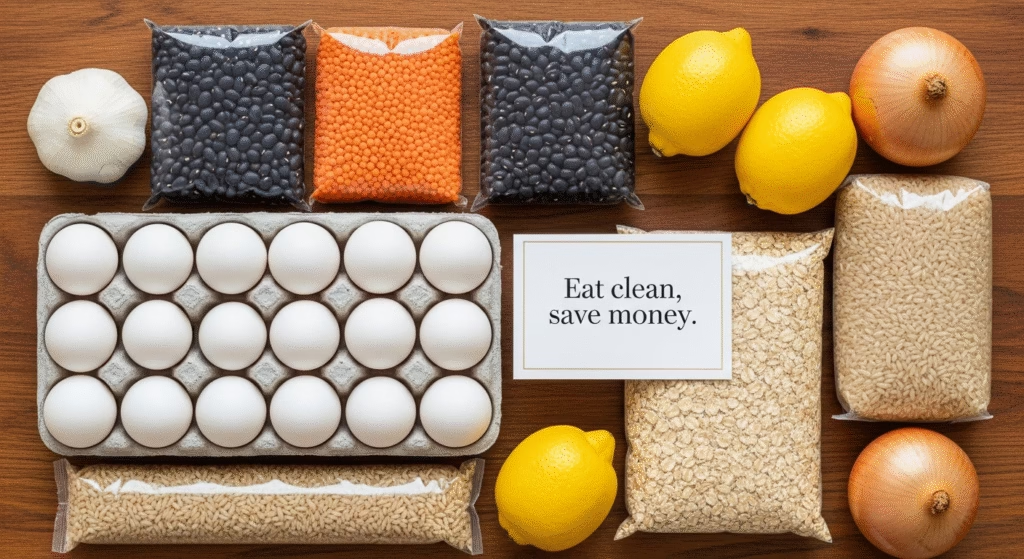
- Prioritize High-Value Staples: Focus on the items that give the most nutrition per dollar: dry beans, oats, rice, eggs, canned fish, and frozen vegetables.
- Compare Unit Prices: Use your phone to scan unit prices in-store. A larger package is only cheaper if the unit price is truly lower.
- Go Frozen and Seasonal: Frozen produce is often cheaper and just as nutritious as fresh. Also, always shop for seasonal fruits and vegetables, as they are at their peak abundance and lowest price.
Budget Upgrade: Looking for budget-friendly staples and reliable kitchen gear that pay off long-term? Check the Okeif Heron recommendations for affiliate picks that make clean eating easier.
See Affordable Kitchen & Pantry Staples
Step 3: Meal Prep: The Ultimate Time and Money Saver
Meal prepping is the single best way to save time and money by avoiding expensive, last-minute food choices.
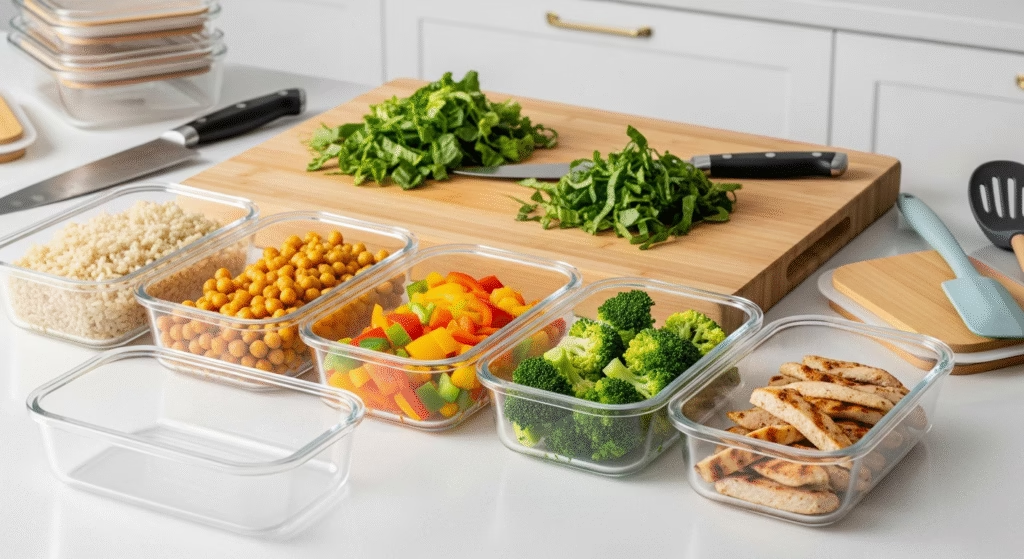
- Batch-Cook Your Foundation: Batch-cook staples like grains (quinoa, rice), roasted vegetables, and a big pot of beans or a protein. When you have prepared components, assembling clean meals takes minutes and you avoid expensive impulse buys.
- Cook Once, Eat Three Times: Use leftovers creatively. A roast chicken can become chicken salad for lunch, chicken tacos for dinner, and chicken soup stock across several meals.
Step 4: Low-Cost Flavor, High-Impact Taste
People often give up clean eating because food tastes bland. Flavor doesn’t have to cost a lot of money.
- Invest in Flavor Boosters: Stock up on inexpensive flavor boosters: garlic, onions, citrus (lemons/limes), vinegar, and a couple of versatile spices (chili powder, cumin). These add huge flavor for very little money.
- Master One Versatile Sauce: Learn one versatile sauce (a simple vinaigrette or a yogurt-tahini dressing) and use it on bowls, salads, and roasted veggies. It makes plain, cheap ingredients feel restaurant-quality.

Step 5: Smart Swaps and Budget-Friendly Meals
The easiest way to save money is to swap out high-cost items for low-cost alternatives.
- The Bean/Egg-for-Meat Swap: Replace half your meat with beans or eggs in dishes (think tacos, stews, or pasta sauces). It lowers cost significantly and increases fiber without sacrificing satisfaction.
- DIY Over Pre-Packaged: Swap expensive processed snacks for whole-food snacks like popcorn or carrot sticks and hummus. Replace packaged meals with DIY bowls using rice, beans, and a simple sauce.
- Budget-Friendly Meal Ideas to Start With:
- One-pot lentil stew
- Rice-and-bean bowls
- Veggie frittatas
- Oatmeal with fruit and nuts
- Roasted root vegetables with chickpeas
Final Push: Make it Sustainable
Eating clean on a budget is less about willpower and more about setup. These small behavior changes will compound over time:
- Stick to the List: Always create a shopping list and stick to it.
- Avoid Shopping Hungry: Eat before you shop to reduce impulse purchases.
- Track a Month: Track one month of groceries and look for patterns. Cut one recurring processed item and reallocate that money to fresh produce or a new spice.
Start slow: one swap a week, one batch-cook day, one new pantry staple. The goal is to build systems that make clean eating the easy choice, not a struggle.
Ready to upgrade your pantry and kitchen without breaking the bank? Visit the Okeif Heron recommendations page for hand-picked, budget-friendly affiliate products—from storage containers to staple foods—that help you eat clean and save.
Upgrade Your Pantry Without Breaking the Bank